For most Punjabi and North Indian baraats, the choice is between a brass band (the classic band baja), a team of dhol players, a DJ on wheels, or a combination of these, and the right answer depends on the length of the route, the time of day and the size of your baraat. As a rough guide, local brass bands commonly quote around Rs 20,000 to Rs 50,000, with larger or premium bands going to Rs 1 lakh and beyond; a pair of dhol players can cost anything from a few thousand rupees to Rs 20,000 or more; and a decorated ghodi typically costs from a few thousand rupees to around Rs 20,000, more for premium horses or elaborate setups. Prices vary widely by city, season, number of musicians and hours, so always get written quotes.
Brass band, dhol or DJ on wheels?
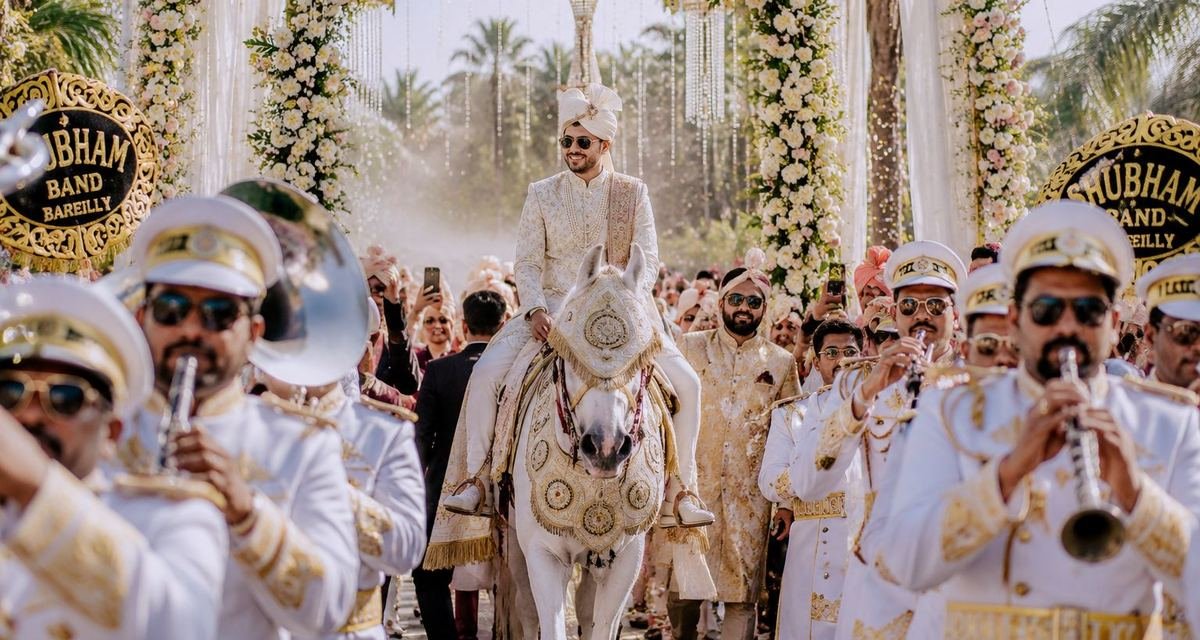
A brass band is the traditional sound of a North Indian baraat: uniformed musicians with trumpets, clarinets and drums playing Bollywood and Punjabi wedding tunes. Many bands also supply lights, a ghodi and a dhol, which makes them a convenient one-stop booking. The downside is that their sound is fixed; they play their repertoire, not your playlist.
Dhol players are the heartbeat of a Punjabi baraat. Two good dholis can get an entire family doing bhangra on the road, they are easy to move around, and they suit morning baraats for an Anand Karaj, short routes and compact venues where a full band would feel crowded.
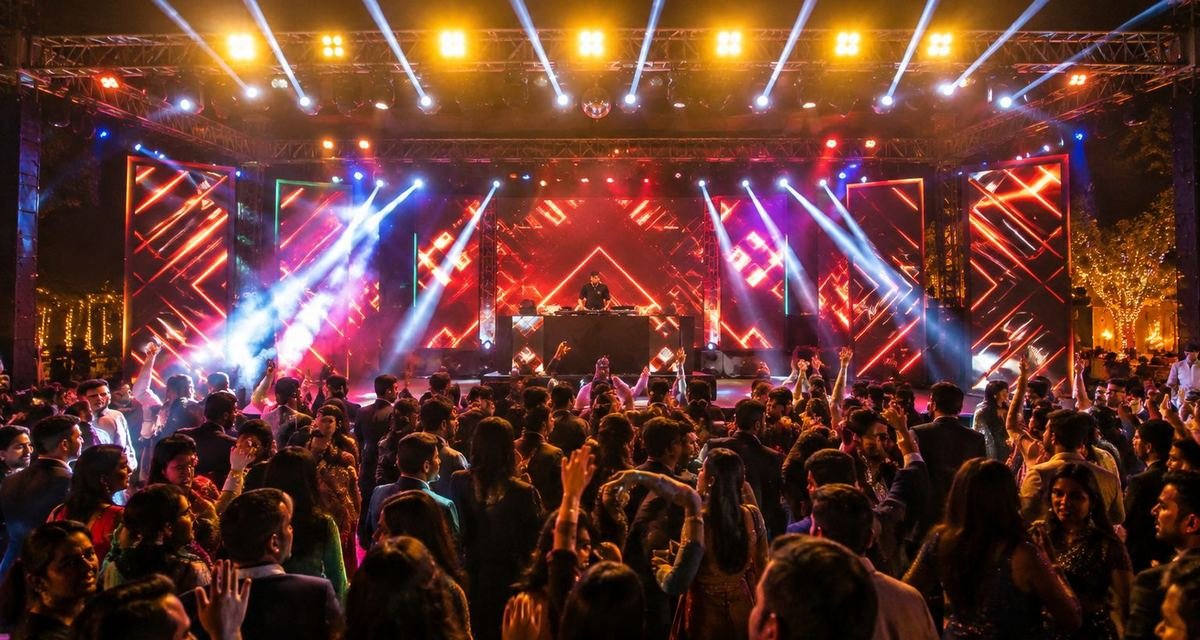
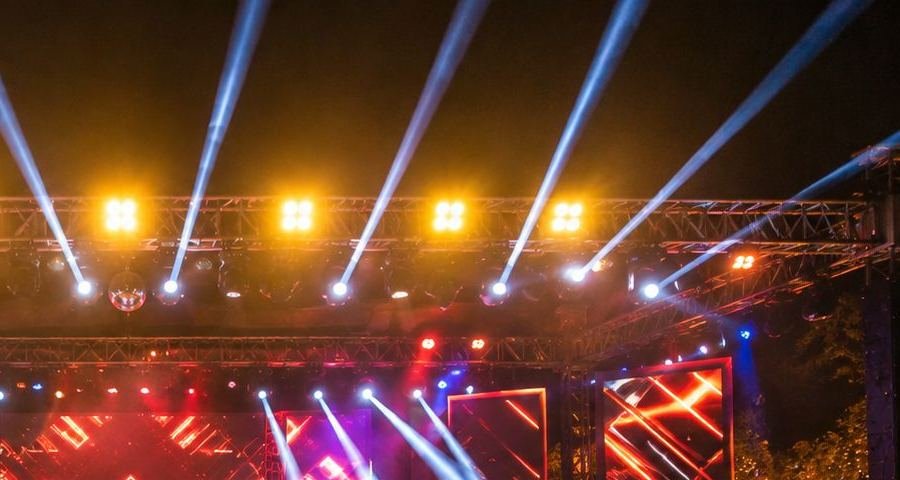
A DJ on wheels is a van or small truck fitted with speakers, lights and usually its own generator. It plays whatever you want, at a volume no band can match, which is exactly why it needs a wide road, a route without hospitals or narrow lanes, and extra attention to local noise rules.
Many families combine them: dhol for the energy, a brass band for the tradition, or dhol leading the way with a DJ van behind.
How many musicians do you actually need?
Brass bands are often offered in packages of around 11 or 21 members, and the number of dhol players can usually be added in pairs. A useful way to decide is to think about how spread out your baraat will be. A tight group of family and friends can be carried by two dholis. A long procession with a hundred or more people walking needs a bigger band, or dhol players at the front and middle, so the people at the back are not walking in silence.
Remember that more musicians also means more uniforms, more light carriers and more people to manage on the road. Bigger is only better if the route has space for it.
Route, timing and punctuality
This is where most baraats go wrong. Everybody wants one more song before moving on, and a ten-minute walk becomes an hour.
1. Fix the arrival time at the venue first and work backwards. For a morning Anand Karaj, the gurdwara will usually have a set time for the ceremony, and it is not fair to make the granthi, ragis and the bride's family wait. For an evening wedding, the pheras or jaimala timing drives everything.
2. Walk or drive the route beforehand, note narrow lanes, speed breakers and places where the baraat can stop to dance without blocking traffic.
3. Ask the band to report at least 30 to 45 minutes before the start, and write that time into the agreement.
4. Name one baraat captain from the groom's side, someone respected but firm, who decides when the dancing stops and the procession moves.
5. If the baraat uses a public road, ask the band and your venue whether you need local permission, and check where music must stop near the gurdwara or venue.
Ghodi, buggy and roshni
In Punjabi families, the groom's ghodi chadhi comes after sehrabandi, and his sisters and cousins hold the reins in the vaag pharai ritual, refusing to let go until they receive their neg. Plan a few minutes for this before the baraat leaves, and make sure the photographer knows.
You can book a ghodi through the band or separately. Check that the animal is calm and healthy, comes with an experienced handler, and is not being rushed between several weddings on the same day. Keep firecrackers well away from the horse, keep small children away from its back legs, and avoid making it stand for long on a hot road.
A buggy is a grander alternative and can seat the groom and his sarbala, usually a young nephew or cousin dressed like him. Expect it to cost more than a single ghodi, roughly Rs 20,000 to Rs 1 lakh depending on decoration and city. Some couples prefer a decorated car altogether.
Evening baraats traditionally walk with roshni: uniformed light carriers holding lit stands or umbrella lights on both sides of the procession, powered by a generator trolley that follows behind. Ask how many light carriers are included, whether the lights are modern LED or older fittings, and where the generator will be placed so the family is not walking through its noise and fumes.
Coordinate with the girl's side for the milni
The milni, where relatives from both families meet in pairs and exchange greetings and gifts, is one of the warmest moments of a Punjabi wedding, and it needs quiet. In Sikh families it often begins with a short ardas, so the band, dhol and any DJ van must stop completely when the baraat reaches the venue.
Share one contact person from each side, agree the exact arrival time, and tell the bride's family when the baraat actually leaves so they can be ready. If the girl's side has arranged its own dhol for the welcome, decide who plays when so two dhols are not competing at the gate.
Put it all in a written agreement
- Number of musicians and dhol players, and whether they will be in uniform.
- Number of light carriers and type of lights, plus the generator.
- Ghodi or buggy, the decoration and the handler.
- Reporting time, playing hours and the overtime rate.
- Route, pick-up point and any travel charges.
- Advance paid, balance due and when, and cancellation terms.
- Any customary tip or the money waved over the groom (vel), agreed in advance so there is no argument on the road.
Frequently asked questions
How much does a band baja cost for a wedding? Local brass bands commonly start around Rs 20,000 to Rs 50,000 for a standard package, while bigger bands with lights, ghodi and dhol cost more. The total depends on the number of musicians, hours, city and date.
How many dhol players do we need for a baraat? Two is enough for a small family baraat; a long procession usually needs four, or dhol players spread through the crowd.
Can we have both a band and a DJ van? Yes, but agree which one plays when, because two sound sources playing different songs at once kills the mood.
How early should we book the baraat band and ghodi? For peak wedding dates, book a few months ahead, since good bands and ghodis on auspicious days are taken early.
Bands and dhol teams for winter dates go quickly, so once your baraat time is fixed, line up two or three options; you can find verified baraat bands and dhol players on Set My Event.